
"highland coffee Taiwan"
700 article(s) found

Main producing areas and characteristics of Coffee in the World
Coffee production zones (commonly known as coffee belts) range from 25 degrees north latitude to 30 degrees south latitude, covering many countries in Central, West Africa, the Middle East and South Asia, the Pacific, Latin America and the Caribbean. The reason why coffee cultivation is concentrated in this area is mainly due to the limitation of temperature. Because coffee trees are vulnerable to frost, neither north nor south latitude is suitable, especially in the tropics.

Introduction to the characteristics of Coffee Grinding degree varieties in Xidamo Shaqiso producing area of Ethiopia
The coffee in Sidamo has a variety of flavors. Different soil types, microclimates and countless native coffee species, towering mountains, highlands, plateaus, valleys and plains, diverse topography, and the geology of the area belongs to nutrient-rich, well-drained volcanic soil. the depth of the soil is nearly two meters, and the surface soil is dark brown or brown. The biggest advantage of the place is

The main producing areas and characteristics of Coffee in the World
Coffee production zones (commonly known as coffee belts) range from 25 degrees north latitude to 30 degrees south latitude, covering many countries in Central, West Africa, the Middle East and South Asia, the Pacific, Latin America and the Caribbean. The reason why coffee cultivation is concentrated in this area is mainly due to the limitation of temperature. Because coffee trees are vulnerable to frost, neither north nor south latitude is suitable, especially in the tropics.

Basic knowledge of coffee in main producing areas and characteristics of coffee
Coffee production zones (commonly known as coffee belts) range from 25 degrees north latitude to 30 degrees south latitude, covering many countries in Central, West Africa, the Middle East and South Asia, the Pacific, Latin America and the Caribbean. The reason why coffee cultivation is concentrated in this area is mainly due to the limitation of temperature. Because coffee trees are vulnerable to frost, neither north nor south latitude is suitable, especially in the tropics.

Types and characteristics of coffee beans how many kinds of coffee beans are there
Coffee trees are small shrubs growing in tropical highlands. Their fruits are red or yellow. The seeds inside are what we call coffee beans. At present, coffee beans are grown in about 66 countries in the world, among which they can be classified as Arabica, Robusta and Liberica. Arabica is the largest major variety of coffee beans, accounting for about 80% of its aroma and quality. And Robusta

Introduction of Ethiopian Coffee Flavor at Lim Kossa Geshe Keshagsi Farm, Ethiopia
Professional coffee knowledge exchange more coffee bean information please follow the coffee workshop (Wechat official account cafe_style) the Guji producing area of southern Ethiopia is adjacent to the Sidamo and Gedeo areas, the territory is straddled by towering mountains, highlands, highlands, valleys and plains, with diverse topography. The geology of this area belongs to volcanic soil with rich nutrients and good drainage.

Panamanian coffee treatment method for fine coffee washing
The microclimate of the Panamanian highlands is the most important resource that makes Panamanian coffee unique. The most important resource that makes Panamanian coffee unique is its microclimate. The east-west environment of the Republic of Panama allows cold air to flow through the Central Mountains and converge above 6500 feet, creating a variety of microclimates in the Boquete and Volcn Candela regions.

Fine Coffee the main producing areas and characteristics of coffee in the world
Coffee production zones (commonly known as coffee belts) range from 25 degrees north latitude to 30 degrees south latitude, covering many countries in Central, West Africa, the Middle East and South Asia, the Pacific, Latin America and the Caribbean. The reason why coffee cultivation is concentrated in this area is mainly due to the limitation of temperature. Because coffee trees are vulnerable to frost, neither north nor south latitude is suitable, especially in the tropics.

Introduction of coffee countries in the world: an introduction to the development history and characteristics of coffee in different regions of different countries
Coffee production belt: the coffee belt (coffee production zone) ranges from 25 degrees north latitude to 30 degrees south latitude, including many countries in Central, West Africa, the Middle East and South Asia, the Pacific, Latin America and the Caribbean. The reason why coffee cultivation is concentrated in this area is due to the limitation of temperature. Coffee trees are very vulnerable to frost and are not suitable for north or south latitudes.

Varieties of coffee cherries
Alabila species Libiga species Romsda species of coffee beans: blue Mountain Mocha, Santos, Brazil, Santos, Colombia, Mantlin, Guatemala, Romsda Coffee, a small shrub growing in the tropical highlands, its fruit is red or yellow. the seeds inside are what we call coffee beans. At present, coffee beans are grown in about 66 countries in the world, among which they can be classified.

Is Panamanian Coffee good? Panamanian Coffee Brand introduction
Professional baristas please follow the coffee workshop (Wechat official account cafe_style) Panamanian Coffee: the microclimate of the Panamanian Highlands is the most important resource that makes Panamanian coffee unique. The most important resource that makes Panamanian coffee unique is its microclimate. The east-west environment of the Republic of Panama allows cold air to flow through the Central Mountains and converge at 65.

Introduction of Panamanian Coffee Brand
Professional baristas please follow the coffee workshop (Wechat official account cafe_style) Panamanian Coffee: the microclimate of the Panamanian Highlands is the most important resource that makes Panamanian coffee unique. The most important resource that makes Panamanian coffee unique is its microclimate. The east-west environment of the Republic of Panama allows cold air to flow through the Central Mountains and converge at

Panama coffee beans from Panama coffee flavor
Panama is located at 9 degrees north latitude, at the confluence of the Central Mountain Range, where Mount Baru, one of the highest volcanoes in Central America, is located. With an elevation of more than 11,400 feet, the surrounding soil is rich in nutrients and fertile soil, providing sufficient conditions for the planting and cultivation of Panamanian coffee. The appropriate microclimate, soil, temperature and altitude of these highlands
Panamanian coffee beans Panamanian Alida boutique coffee beans how much is a jin of coffee beans
The microclimate of the Panamanian highlands is the most important resource that makes Panamanian coffee unique. The most important resource that makes Panamanian coffee unique is its microclimate. The east-west environment of the Republic of Panama allows cold air to flow through the Central Mountains and converge above 6500 feet, creating a variety of microclimates in the Boquete and Volcn Candela regions.

Coffee bean varieties Coffee machine detergent
Coffee trees are small shrubs growing in tropical highlands. Their fruits are red or yellow, and the seeds inside are what we call coffee beans. At present, there are about 66 countries in the world to grow coffee beans, which can be classified into Arabica, Robusta, Liberica three kinds, Arabica is currently the largest group of major coffee bean varieties, the yield of about 80% of its flavor, quality are excellent. and

Flavor and taste characteristics of Panamanian boutique coffee with multi-flavor introduction to the manor producing area
I was born in December 1972. The place of birth is Beijing. In fact, for so many years, it is very simple to live. For years, the round-faced, slightly fat middle-aged man has been hidden from the public eye. Last year, as the sole shareholder of Hong Kong's Nicaragua Canal Development and Investment Co., Ltd. (HKND), he reached an agreement with the Nicaraguan government to build the canal. Nicaragua is still

Coffee Bean Brands in eight Coffee producing areas in Ethiopia ranking Sidamo Coffee Taste characteristics
For the exchange of professional baristas, please pay attention to the coffee workshop (Wechat official account cafe_style). The Guji producing area of southern Ethiopia is adjacent to the Sidamo and Gedeo areas, with towering mountains, highlands, plateaus, valleys and plains. The geology of this area belongs to the volcanic soil with rich nutrients and good drainage, and the depth of the soil is close.

Coffee types Coffee origins Coffee characteristics Coffee processing methods Processing methods
Coffee varieties are treated differently Coffee varieties are small shrubs grown in tropical highlands, Coffee trees grow red or yellow fruits, and the inner

Alida Manor Sun (Elida Natural) Pocket Alida Manor (Elida) introduction
These unique coffees are grown in nutritious and balanced land located in the Baru volcano region. The microclimate of the Panamanian highlands is the most important resource that makes Panamanian coffee unique. The most important resource that makes Panamanian coffee unique is its microclimate. The east-west environment of the Republic of Panama allows cold air to flow through the Central Mountains and converge in 6500.
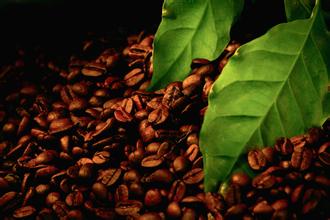
It mainly introduces the kinds of coffee.
Arabica (Coffea Arabica): accounts for 3/4 of the world's output, good quality, because the coffee tree itself is very sensitive to heat and humidity, so its growth conditions are at least higher than the sea level 900m highland climate, the higher the height, the better the quality of coffee beans baked. This variety has a low caffeine content (1.1-1.7%). The color of coffee beans is green to light green